The Art of Getting it Wrong

Today we are going to pull the curtain back a little bit and talk about why getting something wrong is sometimes an important evolutionary step in the creation of an architect … and now that we have the attention of every architectural litigator in the country, let’s clarify right out of the gate we are not talking about being irresponsible or reckless.

The Setup – Destined for Failure jump to 2:35

This is about getting the best out of people and years ago, I was exploring TED Talks and I ended up watching one that was released in 2006 by creativity expert Sir Ken Robinson who lead a 1998 advisory committee for the British Government into the significance of creativity in the educational system and how it would impact the economy. He received a knighthood for his efforts it is a great TED Talk and I think his position is particularly relevant to the evolution of architects. One quote, in particular, is worth diving into a bit and I have it here:

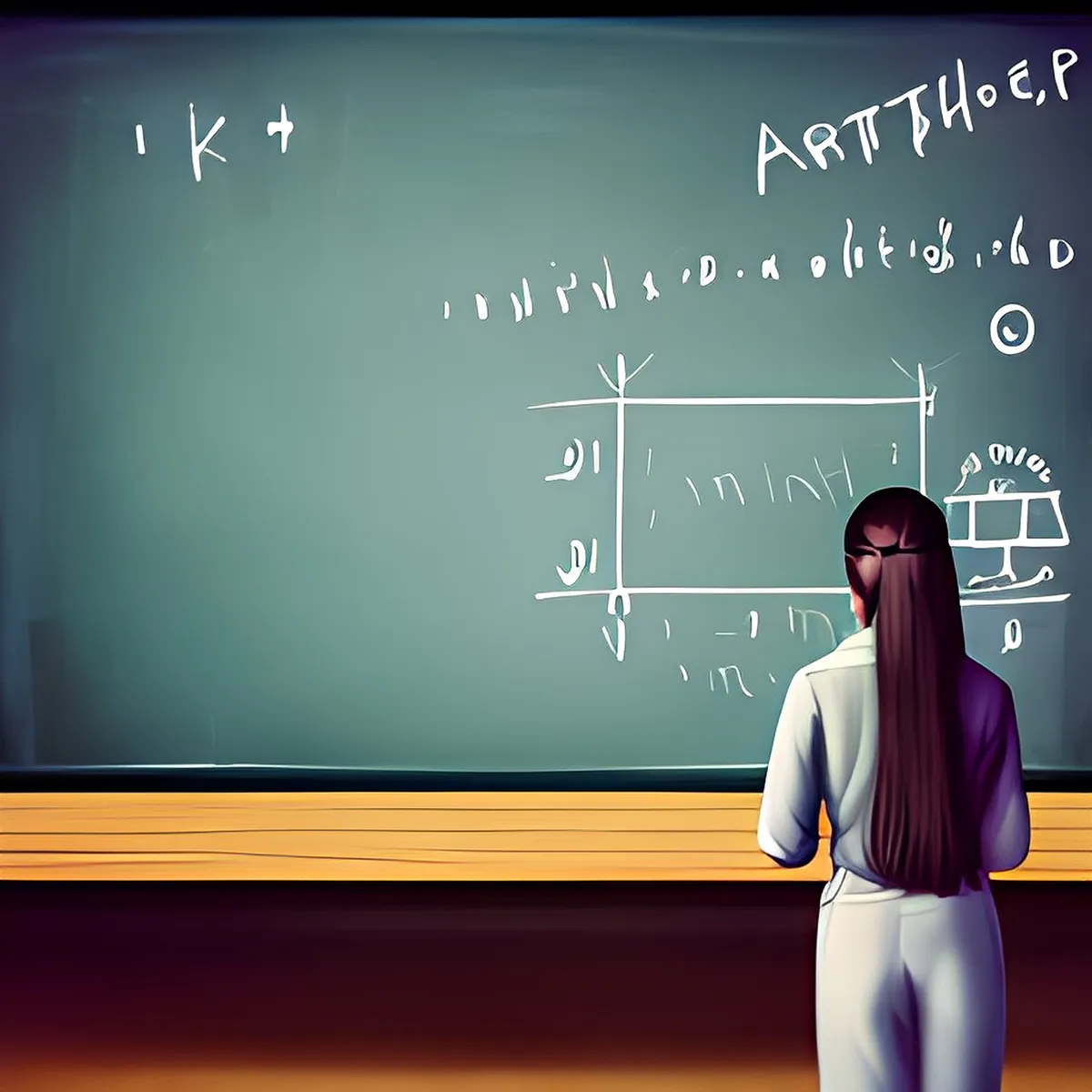
Bob Borson - Teacher in classroom

“… kids will take a chance. If they don’t know, they’ll have a go. Am I right? They’re not frightened of being wrong. Now I don’t mean to say that being wrong is the same thing as being creative. What we do know is, if you’re not prepared to be wrong, you’ll never come up with anything original …And by the time they get to be adults, most kids have lost that capacity. They have become frightened of being wrong.

… We run our companies this way, we stigmatize mistakes. And we are running national education systems where mistakes are the worst thing you can make and the result is that we are educating people out of their creative capacities. Picasso once said this – he said all children are born artists. The problem is to remain an artist as we grow up. I believe this passionately, that we don’t grow into creativity, we grow out of it. Or rather, we get educated out of it.”

Sir Ken Robinson, TEDTalks (2006)

There was no formal education system in place before the 19th century, and it came about as a result of meeting the needs of industrialism, and these public school systems were created to prepare you for getting a job within that industrialized system.

In the quote above, I think the issue that Sir Ken Robinson speaks of points to one of the reasons the process of becoming an architect takes as long as it does. Traditional educational systems teach us how to work towards the correct answer … but most architects will tell you that there is no correct answer, just degrees of correctness based on the variables in play – what is right for one person will not be right for another. People have their own tools, mores, and values for setting priorities and, as a result, most people view the finished result of “Architecture” without considering the process of creating architecture.


115: Art of Getting it Wrong - Bob Borson - Architecture students

The College Years jump to 8:32

The education of an architect intentionally and systematically breaks down the creative process “baggage” and untrained habits of their students and then starts the process of rebuilding that process in a non-stigmatized environment. Students are encouraged to explore their creativity and create something that is more frequently than not, impractical. Initially, architecture students should be thinking about their big idea, rather than focusing on more practical matters like “how is this 10″ beam going to support my lunar lifestyle habitat pod?” That is frequently the reason why the design projects students tackle in college are unfamiliar or atypical (i.e. multi-family housing on the dark side of the moon) rather than a project type that is rooted in more practical solutions (i.e. a bus depot.) While an architect is in school, if during the review of their project the jurors are talking about the toilet room layout or the efficiency at which they tackled the programming, that should be taken as a skill set red flag … it might be time for them to take a step back and try to focus on freeing their imagination rather than drilling down into the rules to find their inspiration.


Architects working on the next big idea - 115: The Art of Getting it Wrong

The Working World jump to 26:44

– the college process is now complete and architectural schools are churning out extremely creative graduates, ready to take on the design world … except few graduates will actually get to work on “BIG IDEA” design projects. More typically, most graduates start the indoctrination process of being told to shutter their creative side in favor of more direct and cost-effective solutions, and they need to consider the practical aspects behind the work they are charged with creating. Once again the process of beating the creative tendencies out of these young architects is at work because now the beam size of your lunar lifestyle habitat module really does matter, budgets matter, deadlines matter … everything matters now, not just the big idea.

Architects need to go through a period of time when they have to learn how to be creative once again while learning how to incorporate real-world variables into the creative process. Finding this balance takes time to develop because the impractical and the practical are at odds with one another.

Or are they?

It is with some amusement that this process in the field of architecture is rarely called what it truly is – the Scientific Method. Develop a problem or a ask question. Attempt something to answer it. If it doesn’t work, review what was and wasn’t successful. Change something and try again, or try something else. Fail to get something useful? Repeat. Repeat. Repeat.

The scientific method is a method of procedure that has characterized natural science since the 17th century, consisting of systematic observation, measurement, and experiment, and the formulation, testing, and modification of hypotheses. The only real difference I have picked up on is the concept of the “Fair Test.” A Fair Test requires that only one of these variables be changed while all others remain constant but there are far too many esoteric variables in play on most architectural projects. The creation and evolution of an architect is a process that is centered around the building up and tearing down of the individual over and over again. It takes time before the individual comes through the process and out the other with some mastery of using both sides of their brain working in concert utilizing a creative and practical delivery method.

While there are always exceptions to the rule, most architects don’t really start putting all the pieces together with control until they’re old enough to have experienced the process of getting things wrong a few times and learning from the process to know why something worked well enough to repeat the success without repeating the solution.
You may also like

Innovations in Architecture: How Ozone is Changing the Face of Amman

Amman’s architectural landscape is ever-evolving, thanks to the creative minds at Ozone. We’re constantly pushing the boundaries to create structures that not only stand tall but also leave a lasting impression. Here, we share some of the key architectural innovations that are helping us reshape Amman’s skyline. Innovation 1: Sustainable Architecture Ozone is a firm believer in sustainable architecture. We incorporate energy-efficient designs and eco-friendly materials to minimize our projects’ environmental impact. From green roofs and solar panels to rainwater harvesting systems, our sustainable practices are transforming the architectural fabric of Amman. Innovation 2: Adaptive Reuse Adaptive reuse of buildings is another innovation we champion. By repurposing existing structures, we preserve the rich architectural heritage of Amman while meeting contemporary needs. It’s a win-win solution that conserves resources and enhances the city’s architectural diversity. Innovation 3: Mixed-Use Developments We’re leading the way in mixed-use developments—buildings that combine residential, commercial, and public spaces. These structures foster vibrant, walkable communities where work, life, and play intersect. They’re key to developing a dynamic and interconnected Amman. Innovation 4: Smart Buildings We’re at the forefront of incorporating smart technology into our designs. Our smart buildings feature automation systems that enhance comfort, efficiency, and security. By integrating tech into our designs, we’re preparing Amman for the future. Innovation 5: User-Centric Design At Ozone, we place people at the heart of our architectural innovations. We prioritize user-centric design—creating spaces that are intuitive, accessible, and comfortable. This human-centered approach is redefining architecture in Amman, one building at a time. Ozone: Pioneering Architectural Innovation in Amman At Ozone, we’re driven by our passion for architectural innovation. By embracing sustainable practices, adaptive reuse, mixed-use developments, smart technology, and user-centric design, we’re making a significant impact on Amman’s architectural scene. Ready to start your home construction journey in Amman! contact us today. or Book a Meeting!

Read More

Maximizing Your Investment: How Good Architecture Influences Property Value

Whether you’re building a new property or looking to renovate an existing one, the architecture plays a significant role in determining the value of your real estate investment. This post will guide you through how good architecture influences property value and how partnering with Ozone can help you maximize your investment. Understanding the Value of Good Architecture Aesthetics and First Impressions The aesthetics of a property significantly influence its value. A well-designed, visually appealing structure can captivate potential buyers or tenants, creating an emotional connection that can translate into higher property values. Ozone’s architects understand the power of first impressions, crafting designs that embody elegance and timeless appeal. Functional Design Good architecture isn’t just about looks—it’s also about function. A well-designed space is easy to navigate, comfortable to live in, and tailored to the inhabitants’ needs. A functional layout with ample natural light, efficient use of space, and consideration for the flow of daily life can boost the perceived value of a property. Sustainability In an era where sustainability is a growing concern, properties that are designed with green principles in mind are more appealing. Features like energy efficiency, water conservation, and the use of eco-friendly materials can all add value to your property. At Ozone, we prioritize sustainable design in all our projects, offering potential buyers the opportunity to invest in a home that’s kinder to the environment. Longevity A well-designed building can stand the test of time. Good architecture incorporates durable materials and timeless design principles, ensuring the property continues to hold its value for years to come. Ozone’s commitment to quality construction and attention to detail means your property will age gracefully, maintaining its value and appeal. Why Choose Ozone for Your Investment? At Ozone, we understand that a property isn’t just a building—it’s an investment. That’s why we’re committed to providing architectural services that enhance the value of your property, helping you get the most out of your investment. Conclusion Incorporating good architecture is key to maximizing property value. From creating stunning first impressions to designing for functionality, sustainability, and longevity, every aspect matters. By choosing Ozone for your architecture needs, you can ensure your property is not just a place to live, but a valuable investment that continues to grow. Ready to start your home construction journey in Amman! contact us today. or Book a Meeting!

Read More

An Architect’s Office

Organizational Structure jump to 6:41 For those of you that have been keeping score, in the last 20 years, this is the third job I’ve had, and it is also the third time I played a fairly significant role in laying out a new office for each of the places where I worked. Does this make me particularly well suited to the task at hand? Possibly, but there is something quite different about working on designing an office for 10 people versus an office capable of seating 120 people. The added challenge to designing the office this time around is that we feel like we have to address the culture of the firm and use the office to help define that culture in this post-pandemic environment. When we started the process of laying out a 20,000 square foot office that would accommodate our current staffing levels, as well as future growth, the very first conversation, had to do with organizational structure … basically, where and how do people sit and do we want to avoid setting any “traditional” hierarchy within the layout. This means that you have to consider the location of private offices, workstations, circulation around your work area, etc. In my current office, I’d even argue that location within the office is also a consideration (superficial location adjacent to break room, point of entry/exit, proximity to restrooms, and so forth. Open Studio versus … something compartmentalized jump to 11:01 If you do any research on office plans, specifically open office plans, you will find as much information as you can stomach on this topic … and almost all of it proselytizes how bad it is for the company and the individuals who are forced to endure this sort of working environment. By David Brooks from the New York Times (September 2022)For decades, research has found that open plan offices are bad for companies, bad for workers, bad for health and bad for morale. And yet they just won’t die. Human beings, if they are to thrive, need a bit of privacy — walls and a door. And yet employers, decade after decade, neglect to give workers what they need, refuse to do what’s in their own self-interest. The ideology of open plan workplaces associates walls and rooms with authoritarianism, hierarchy and social isolation. If you put people together in one big room, or in low cubicles, the popular thinking goes, they will collaborate, a spirit of egalitarian togetherness will reign. What I was not able to find was the sort of data that was specific to the type of office in which these open plans were instituted and if any of them were architects’ offices. You might be thinking to yourself “Why does that matter?” and I would suggest that open-plan workspaces are all that most architects have ever known dating back to the time they started architecture school in college. My own experience with open-plan workspaces is mostly uninterrupted since 1986. We also talked about a concept called “The Fourth Wall” which was originally a theater reference in which an imaginary wall separated the actor from the audience. In open floor plans, the same sort of meaning is put in place since people want to have some control over their environment and open plans do not allow for any sort of separation between one worker and their immediate surroundings. So in return, this term has since been co-opted into workspace design language to describe how workers cope with being put in these open environments. Offices, partial offices, and workstations jump to 20:03 We have a bit of all three in our new office. The 4 owners of the firm and two of the principals have elected to go with enclosed offices while the balance of the principals elected to go with partial offices (think 3 walls with the 4th side completely open – you can see the spaces I am talking about in the rendering above on the right-hand side. Going with these partial offices took some conversations with the owners who advocated the need for an enclosed space – we wanted to maintain a more active part of the office, which is similar to how we work now, but the argument was that as we evolve in our new roles as principals we will have the need to have a private space to facilitate more private conversations with the people we whom we work. We also made the decision that most of the enclosed office spaces would be internal to the perimeter so that we could put all of the workstations on the glass. This also allowed us to spread these workstations out so that we could minimize how deep these rows of desks are as they march around the floorplan. Our current office is 5 workstations deep off the glass whereas the new workstations are limited to three workstations deep so that every workspace has a stronger connection to daylighting and exterior views. Individual workspace versus collaboration space jump to 26:46 When we started talking to the various user groups to better understand their needs (as well as their desires), one thing that came up a few times was the ability to come into the office and work in a space that was other than your desk. Because of the pandemic, there are some folks that have come to appreciate the benefits that a change of scenery can provide, and rather than having the only option be working from home, we want to accommodate some variety in the office that allows some flexibility. In addition, we know that digital calls are here to stay and you can’t work in an office our size without recognizing that there are times when it seems like everyone is on a video call and the office sounds a little cacophonic and distractingly noisy. This isn’t just taking place when we are speaking with consultants and owners, we typically see calls where all the participants are sitting just a few desks apart from one another. We are attempting to

Read More
error: You need a written permission to download images.